 By
By 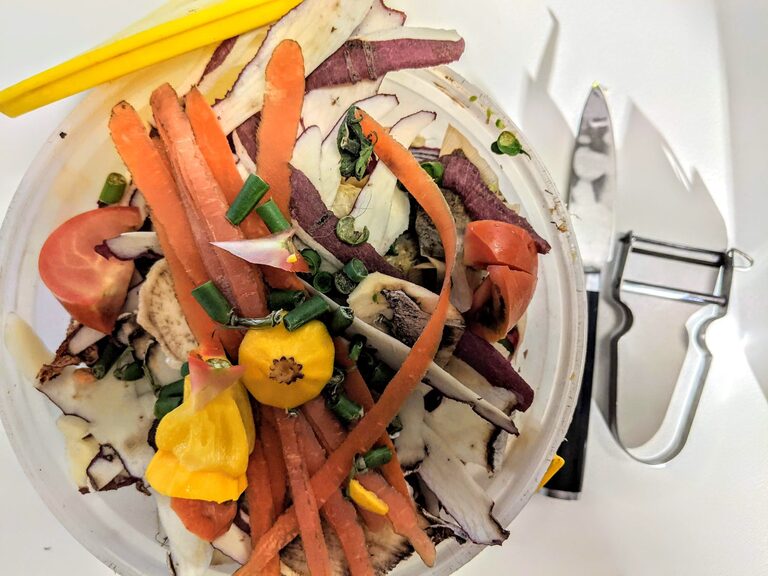
Reducing food waste at home is a win-win situation — it helps the environment, saves money, and encourages healthier eating habits. The average household throws away a significant amount of food each year, but with a little effort and planning, you can cut down on waste and enjoy the benefits of a more mindful kitchen. Here are some practical strategies you can start using today.
Understand the Impact of Food Waste
Before diving into tips, it’s helpful to know why reducing food waste matters. Food waste contributes to greenhouse gas emissions, wastes water and energy used in production, and costs households money. By reducing the amount of food you toss out, you play a part in protecting the planet and improving your household budget.
Plan Your Meals and Shopping
Create a Weekly Meal Plan
Planning meals for the week helps you buy only what you need and prevents impulse purchases that might go unused. Write down your meals and snacks, then make a detailed shopping list based on that plan.
Shop with a List and Stick to It
Bringing a shopping list helps you avoid buying unnecessary items. Be realistic about how much fresh produce, dairy, or meats you will use during the week. If you’re unsure, buy smaller quantities or products with longer shelf lives.
Use Bulk Wisely
Buying in bulk is often cheaper but can lead to waste if the food spoils before you use it. Only buy large portions of items that you know you’ll consume or that can be frozen for future use.
Store Food Properly
Understand Storage Guidelines
Proper storage can extend the life of fruits, vegetables, dairy, and leftovers. For example, keep leafy greens wrapped in paper towels inside a sealed container to absorb moisture and stay crisp longer.
Use Clear Containers
Storing leftovers or prepped ingredients in clear containers helps you see what you have, reducing the chance of forgetting about food in the fridge.
Organize Your Fridge
Keep older items in front and new purchases in back to use food in the order it was bought. This practice, called FIFO (First In, First Out), helps prevent spoilage.
Use Leftovers Creatively
Repurpose Meals
Turn leftovers into new dishes like soups, salads, or stir-fries. For example, roast chicken can become chicken salad or be added to pasta.
Freeze Excess Food
Freezing is a great way to extend the life of cooked meals or fresh produce. Label and date containers to keep track of what’s inside.
Save Vegetable Scraps
Collect vegetable peels, ends, and scraps in the freezer to make homemade vegetable stock later. This reduces waste and adds flavor to your cooking.
Practice Smart Portioning
Serve Smaller Portions First
Start with smaller servings to avoid uneaten food on plates. You can always go back for seconds if you’re still hungry.
Use Leftover Ingredients for Snacks
If you have half an avocado or a few cherry tomatoes, prepare quick snacks rather than letting them spoil.
Monitor Expiration Dates
Understand "Best By" vs. "Use By"
“Best by” dates generally indicate quality, not safety, so food may still be good beyond that date. “Use by” dates are more about safety. Use your senses to judge food freshness — look, smell, and taste before discarding.
Regularly Check Your Pantry and Fridge
Do a weekly scan of your fridge and pantry to identify items that need to be used soon. Plan meals around these foods.
Compost Food Scraps
Even with the best efforts, some food scraps are unavoidable. Composting is a great way to reduce landfill waste and create nutrient-rich soil for gardening.
Start Simple
Use a kitchen compost bin or designate an outdoor compost pile for vegetable scraps, coffee grounds, and eggshells.
Avoid Composting Certain Foods
Meat, dairy, and oily foods should generally be avoided as they can attract pests and cause odors.
Educate and Involve the Whole Family
Share Tips and Goals
Talk with your household about the importance of reducing food waste and involve everyone in meal planning and clean-up.
Teach Children About Food Value
Encouraging kids to understand where food comes from and why waste matters helps build lifelong habits.
Conclusion
Reducing food waste at home is easier than it seems, especially when you adopt a few thoughtful habits. From meal planning and smart shopping to creative leftovers and proper storage, every small step makes a difference. Not only will you save money, but you’ll also contribute to a healthier planet. Start today and watch your efforts grow into lasting change in your kitchen and life.