 By
By 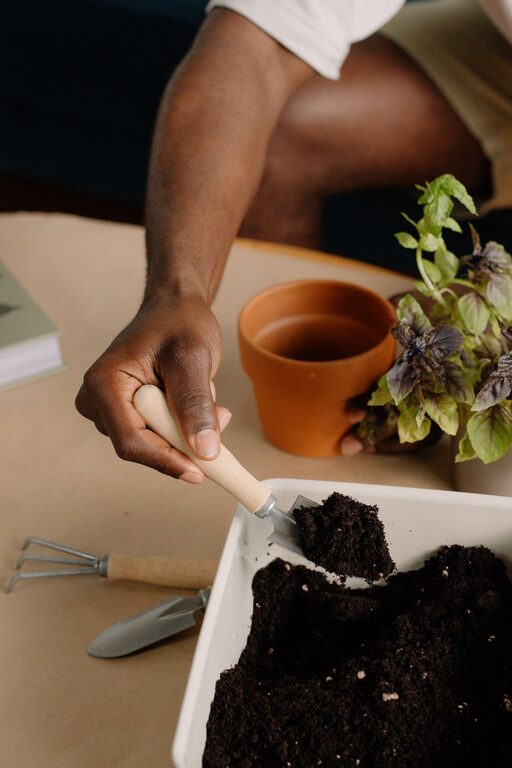
Starting an indoor herb garden is a rewarding way to enjoy fresh herbs all year round, right from the comfort of your home. Whether you have a sunny windowsill or limited space, growing herbs indoors is easy and adds a touch of green to your living space. This guide will take you through everything you need to know to start your own small herb garden indoors.
Why Grow Herbs Indoors?
Indoor herb gardens offer several advantages:
– Freshness: Harvest herbs whenever you like for cooking, teas, or garnishes.
– Convenience: No need to buy herbs at the store or worry about them wilting.
– Aesthetics: Green plants brighten up your home and improve air quality.
– Learning: Gardening indoors can be a fun, educational hobby.
Choosing the Right Herbs for Indoors
Not all herbs thrive indoors, so it’s best to start with those known to do well in containers and limited space. Some great choices include:
– Basil: Loves warmth and bright light.
– Parsley: Grows well with moderate sunlight.
– Chives: Hardy and easy to maintain.
– Mint: Thrives indoors but can spread quickly—use its own pot.
– Thyme: Requires good drainage and sunlight.
– Oregano: Prefers full sun and well-drained soil.
– Cilantro: Needs cooler temperatures and bright light.
Tip: Start with two or three herbs before expanding your indoor garden.
Selecting Containers for Your Herbs
Choosing the right containers is essential for healthy growth:
– Size: Ensure pots are deep enough for roots (at least 4-6 inches).
– Material: Terra cotta, ceramic, and plastic pots all work well; terra cotta allows better airflow.
– Drainage: Make sure every pot has drainage holes to prevent waterlogging.
– Trays: Use saucers or trays to catch excess water and protect your surfaces.
Preparing the Soil
Using quality potting soil specifically designed for indoor plants is important. Avoid garden soil, which can be too dense and carry pests.
– Choose a lightweight, well-draining potting mix.
– Consider adding perlite or vermiculite to improve aeration.
– Herbs generally prefer slightly acidic to neutral pH (6.0 to 7.0).
Finding the Best Location
Most herbs need about 6 hours of sunlight per day to grow well.
– Sunny Windows: South or west-facing windows provide the most light.
– Supplemental Lighting: If natural light is limited, use grow lights with full-spectrum bulbs.
– Temperature: Keep herbs in a room between 65-75°F (18-24°C).
Avoid placing herbs near drafts, heaters, or cold windows.
Planting Your Herbs
You can start your herb garden from:
– Seeds: More affordable and offers many varieties but requires patience.
– Seedlings or Starter Plants: Easier and faster options available at garden centers.
Steps to plant:
- Fill your pot with potting mix, leaving about half an inch at the top.
- If planting seeds, follow packet instructions for depth and spacing.
- If transplanting seedlings, gently loosen the roots before planting.
- Water the soil lightly but thoroughly after planting.
Caring for Your Indoor Herb Garden
Watering
– Keep the soil moist but not soaked.
– Water when the top inch of soil feels dry.
– Avoid letting herbs sit in standing water.
Feeding
– Use a balanced, water-soluble fertilizer every 4-6 weeks.
– Follow package instructions for dilution and frequency.
– Organic options like fish emulsion or seaweed fertilizer work well.
Pruning and Harvesting
– Regularly pinch off leaves to encourage bushier growth.
– Harvest leaves in the morning for best flavor.
– Avoid removing more than one-third of the plant at once.
Pest Management
– Check plants regularly for pests like aphids or spider mites.
– Use natural remedies like insecticidal soap or neem oil if needed.
– Maintain good airflow around plants to reduce disease risk.
Troubleshooting Common Issues
– Yellowing Leaves: Could indicate overwatering or poor drainage.
– Leggy Plants: Usually from insufficient light; move to a brighter spot.
– Wilting: May be caused by underwatering or root problems.
– Slow Growth: Try feeding more often or check if the plant needs repotting.
Expanding Your Herb Garden
Once you’ve mastered the basics, you can add more herbs or even edible flowers. Consider:
– Vertical herb gardens using wall-mounted planters.
– Hydroponic herb growing systems for a soil-less option.
– Combining herbs with small vegetables or microgreens.
Final Tips for Success
– Start small to avoid overwhelming yourself.
– Keep a gardening journal to track watering, light, and progress.
– Enjoy the process and experiment with different herbs and setups.
Growing a small herb garden indoors brings fresh flavors and a touch of nature into your daily life. With a little care and attention, you can enjoy aromatic herbs all year long. Happy gardening!