 By
By 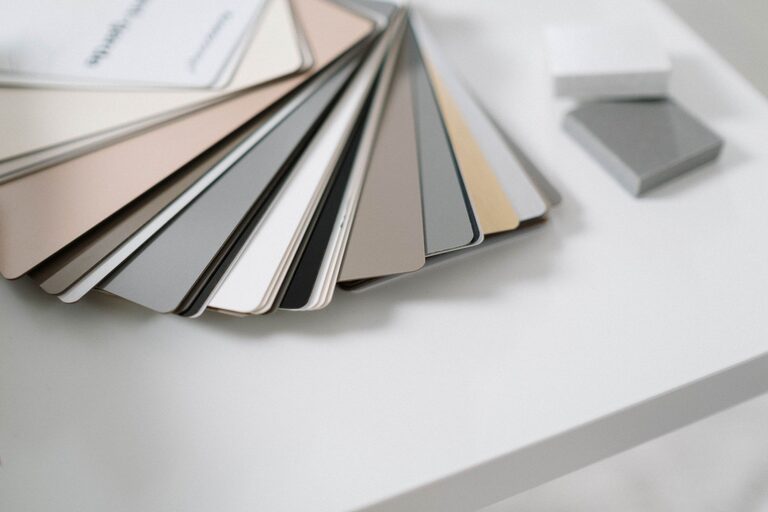
Creating a peaceful and inviting atmosphere in your home often starts with the colors you choose for your walls and décor. Calm colors can influence mood, reduce stress, and make a space feel more comfortable and welcoming. Whether you’re redecorating an entire room or just updating accents, selecting the right calm colors is key to achieving a serene environment.
In this post, we’ll explore practical tips for choosing calm colors for your home, explain how different hues affect mood, and offer advice on combining colors for a balanced look.
Why Choose Calm Colors?
Calm colors are shades that evoke a sense of tranquility and relaxation. They often include soft blues, greens, neutral tones, and gentle pastels. Unlike bold or bright colors that can energize a space, calm colors help create a restful ambiance, making them perfect for bedrooms, living rooms, or any space dedicated to relaxation.
Factors to Consider When Choosing Calm Colors
1. Understand the Mood You Want to Create
Think about how you want to feel in each room. For example, a bedroom might benefit from soothing blues to promote restful sleep, while a reading nook could use soft greens to encourage calm focus. Deciding on the mood helps narrow down color choices.
2. Consider Your Home’s Natural Light
Lighting plays a big role in how colors appear. Rooms with ample natural light allow you to use cooler tones without making the space feel cold, while dimly lit rooms might need warmer calm tones like beige or soft peach to keep them cozy.
3. Think About Your Existing Decor
Your color choices should complement your furniture, flooring, and decorations. If you have wood accents or warm-colored furniture, selecting calm colors with warm undertones can create harmony throughout the space.
Popular Calm Color Choices and Their Effects
Blue
Blue is known for its soothing and calming effects. Light blue shades like sky blue or powder blue can make a room feel peaceful and spacious. Blue is ideal for bedrooms and bathrooms.
Green
Green evokes nature and is associated with balance and renewal. Soft sage, mint, or seafoam green can bring freshness and a tranquil vibe to living areas or kitchens.
Neutrals
Neutral colors like beige, taupe, gray, and ivory provide a versatile and timeless backdrop. Neutrals help create a simple and elegant look while allowing other elements to stand out.
Soft Pastels
Colors such as pale pink, lavender, or light peach add a gentle softness to a room. These hues work well in bedrooms, nurseries, or sitting areas where comfort is key.
Tips for Combining Calm Colors
Use the 60-30-10 Rule
This classic design rule helps balance colors in a room:
– 60%: Dominant color (usually a calm neutral or pastel on walls)
– 30%: Secondary color (furniture or large accents)
– 10%: Accent color (small décor items or artwork)
Create Layers with Textures
Calm colors don’t have to be boring. Combining different textures—such as soft fabrics, natural wood, and smooth ceramics—in similar color shades adds depth and interest without overwhelming the senses.
Test Color Samples First
Before committing, paint swatches on your walls and observe them at different times of day. Lighting changes can significantly alter how a calm color looks.
Additional Ideas to Enhance Calmness with Color
– Soft White Trim: Using a soft white or off-white for trim and molding can frame calm walls beautifully and create a clean finish.
– Natural Elements: Pairing calm colors with plants, wooden furniture, or stone accessories enhances the peaceful, grounded feeling.
– Matte or Satin Finishes: Choose paint finishes that reflect less light for a softer look; glossy finishes might feel too sharp for calm spaces.
Conclusion
Choosing calm colors for your home is a wonderful way to foster a relaxing and welcoming atmosphere. By considering your mood preferences, lighting, existing décor, and how colors interact, you can create a harmonious space that feels like a true retreat. Start with subtle blues, greens, neutrals, or pastels, and don’t be afraid to mix textures and layers for added warmth and personality.
With the right approach, calm colors can transform your home into a peaceful sanctuary where you love to spend time. Happy decorating!